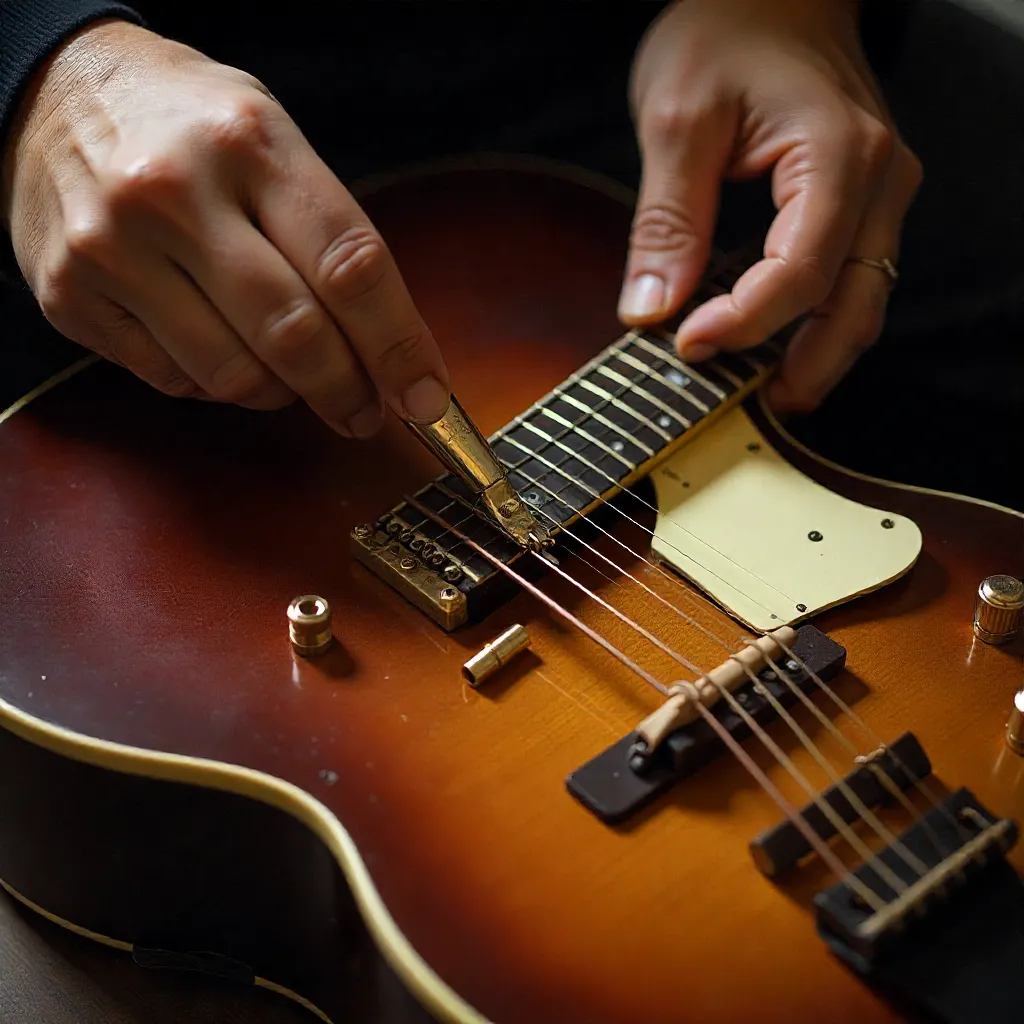
Material Integrity
Understanding the science of wood and metal preservation for long-term instrument health.
Hydro-Thermal Mapping
Wood responds to changes in humidity and temperature through expansion and contraction. These dimensional changes affect instrument geometry, including the crown of piano soundboards and the relief of guitar necks.
Our analysis maps how different humidity levels impact specific instrument components. This data helps establish optimal environmental conditions and predict how instruments will respond to seasonal changes.

Soundboard Crown
Piano soundboards require specific curvature to function properly. Humidity changes cause the wood to expand or contract, altering the crown shape and affecting sound projection and tonal quality.
Optimal Humidity: 42-45% | Temperature Range: 68-72°F | Crown Measurement: 2-4mm

Neck Relief
Guitar necks respond to humidity changes by bowing forward or backward. This relief change affects string action and playability, requiring periodic adjustment to maintain optimal setup.
Optimal Humidity: 45-55% | Relief Range: 0.1-0.3mm | Monitoring Frequency: Monthly
Wood Science

Grain Structure
Understanding grain orientation and density helps predict how wood will respond to environmental changes and mechanical stress over time.

Moisture Content
Maintaining appropriate moisture content prevents cracking, warping, and other structural issues that can compromise instrument integrity.

Aging Patterns
Different wood species age differently. Understanding these patterns helps anticipate maintenance needs and preserve instrument value.
Environmental Monitoring
Consistent environmental conditions are essential for instrument preservation. We provide guidance on monitoring and maintaining appropriate humidity and temperature levels in storage and performance spaces.
Rapid changes in environmental conditions can cause more damage than gradual shifts. Our recommendations focus on maintaining stability and avoiding sudden fluctuations.
Preservation Practices
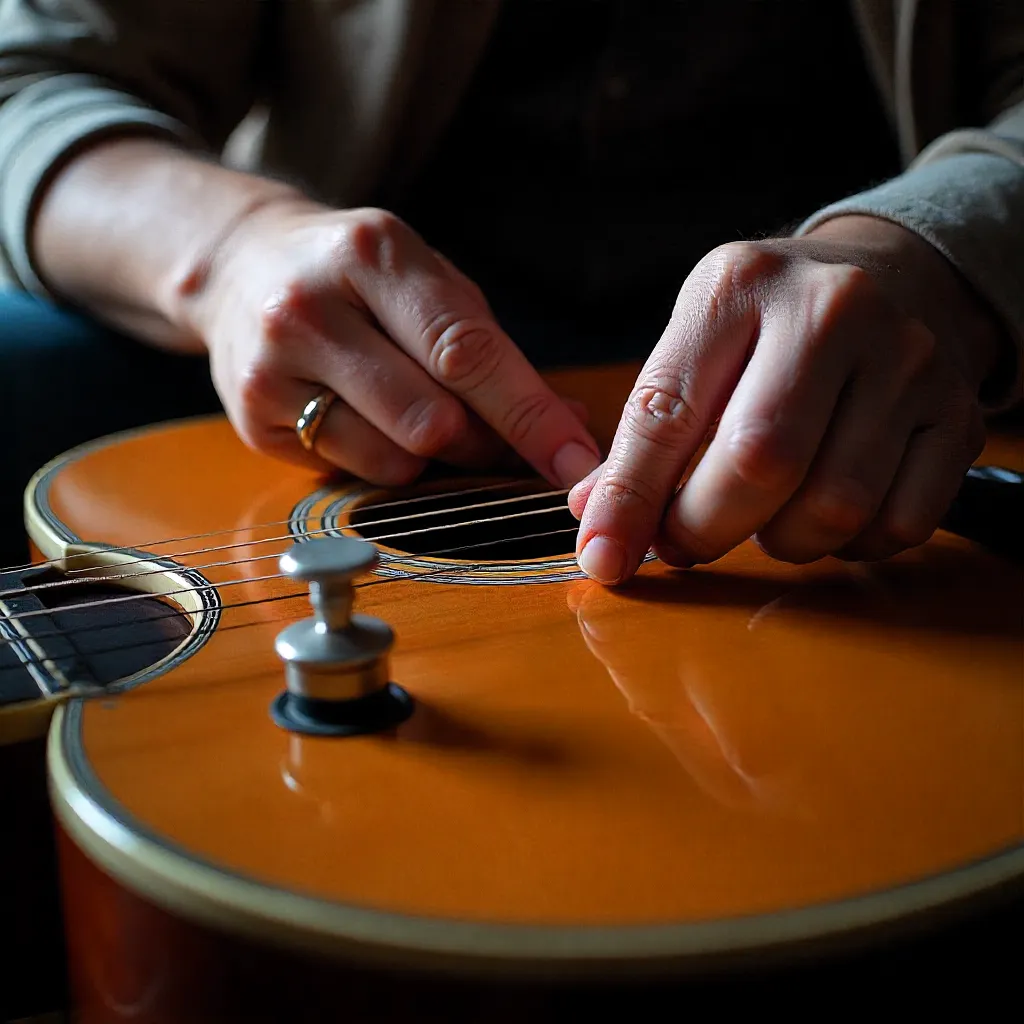
Routine Maintenance
Regular inspection and minor adjustments prevent small issues from developing into significant problems. This proactive approach extends instrument lifespan and maintains performance quality.

Long-Term Care
Comprehensive care plans address both immediate needs and long-term preservation goals. This includes documentation, monitoring schedules, and maintenance recommendations.